

Explore Our Articles
Discover how chiropractic care can support your health and well-being. From expert tips to in-depth insights on managing specific conditions, our articles are here to inform, inspire, and guide you on your journey to better health.
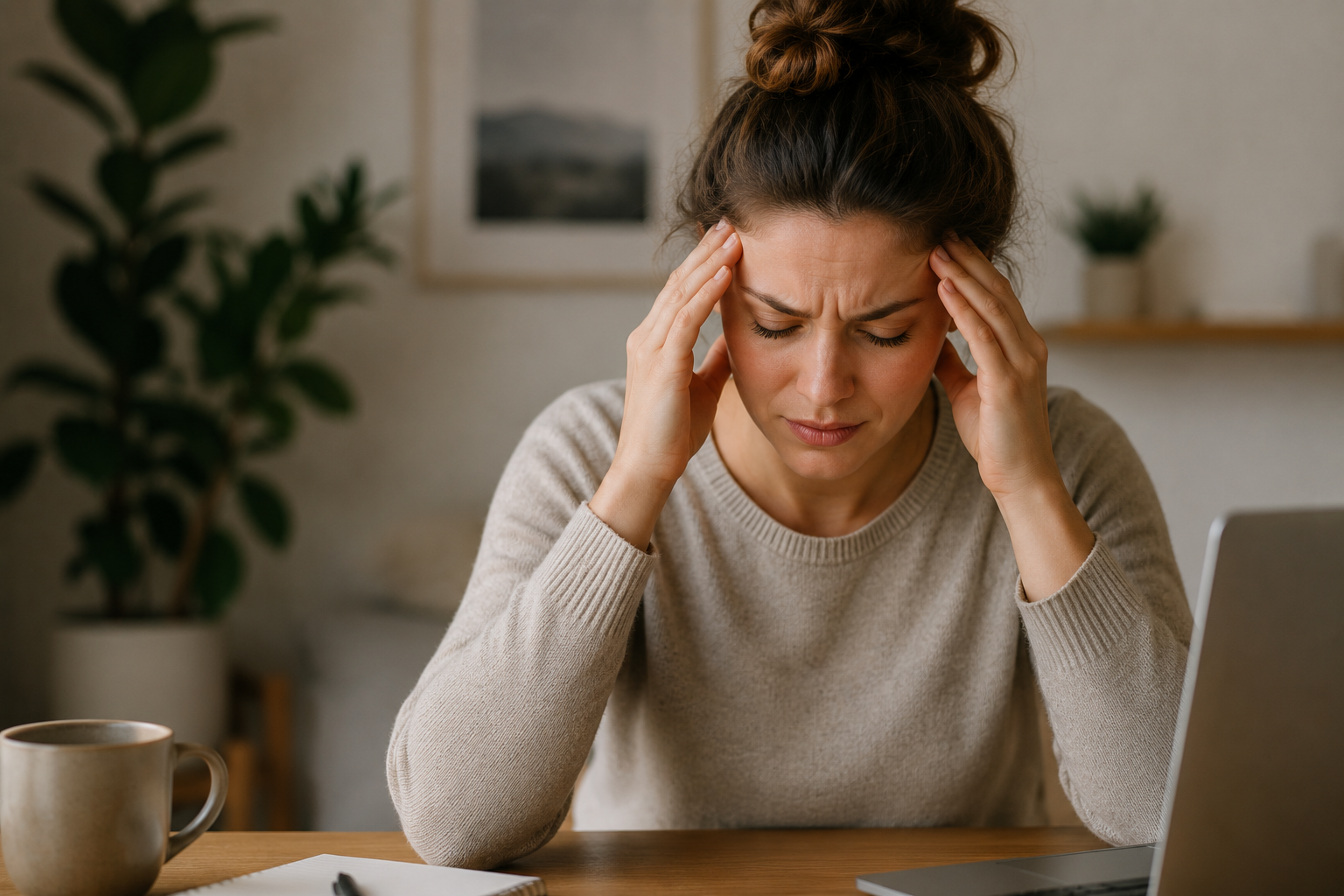
Why Am I Getting Headaches All the Time? | Chiropractor in Clifton, Bristol
Frequent headaches are often linked to stress and tension in the body. This post explains why they keep happening and what you can do to break the cycle.
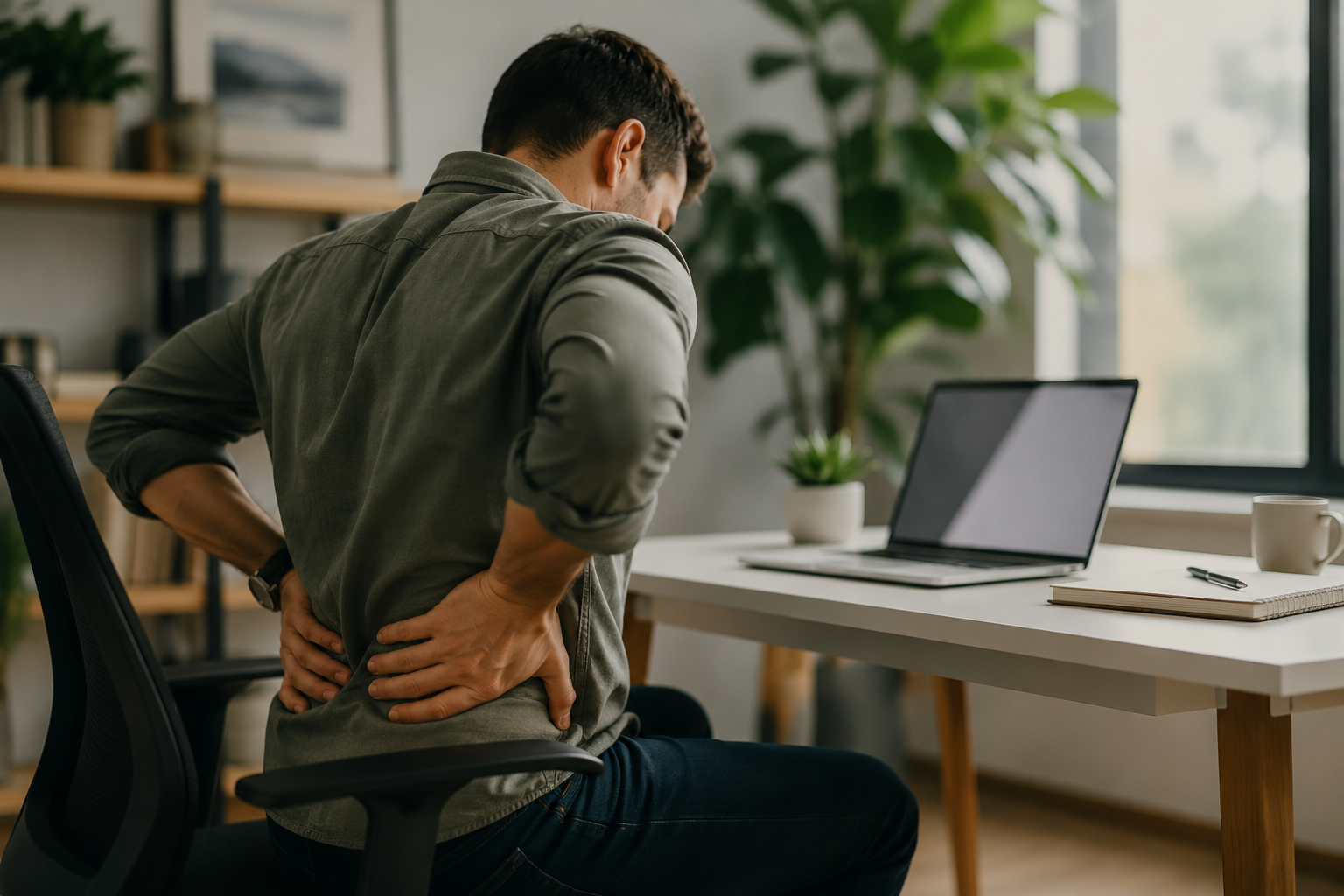
Why Does My Lower Back Hurt When I Sit Too Long?
Lower back pain from sitting is often linked to stiffness and reduced movement. This post explains why it happens and how to stop it becoming a cycle.
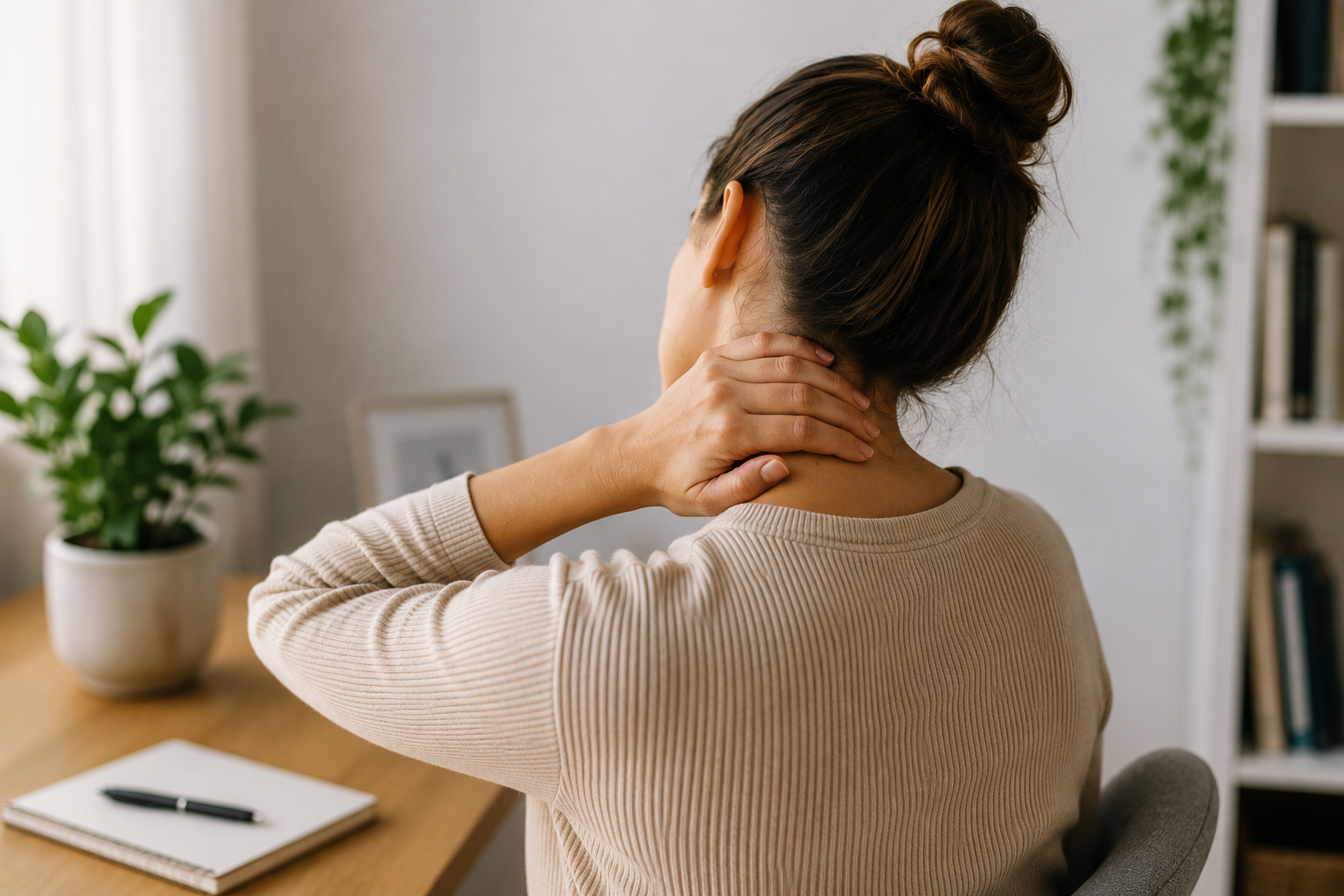
Why Does My Neck Hurt When I’m Stressed?
Neck pain when stressed is common. Learn why it happens and how chiropractic care in Clifton Bristol can help you feel more relaxed, stable, and in control.

Why Does Back or Neck Pain Keep Coming Back?
Struggling with recurring back or neck pain in Bristol? Learn why pain keeps coming back and how chiropractic care can help you break the cycle long term.

What Can Cause Sciatica? Understanding the Root of Your Pain
Learn the most common causes of sciatica, including disc issues, muscle tension, posture, and lifestyle factors, plus when to seek treatment.
Breathing, Sleeping and Moving: Simple Habits That Support Your Health
True health often comes back to the basics. Breathing well, sleeping properly and moving regularly are simple habits that support your body’s ability to recover, manage stress and stay resilient. By focusing on these everyday foundations, you can improve your wellbeing and support long term spinal and overall health.
Chiropractic Care for the Elderly in Clifton, Bristol: Are There Age Limits?
Chiropractic care has no age limit and can be highly beneficial for older adults. At Clifton Chiro in Bristol, we provide gentle, tailored chiropractic treatments designed specifically for seniors, helping to relieve back pain, improve mobility, enhance balance, and support long-term joint health. Our personalised approach ensures safe and effective care for age-related conditions such as arthritis and reduced flexibility, helping older patients stay active, independent, and pain-free.

Why Walking Is One of the Best Things You Can Do for Your Spine
Discover how daily walking improves spinal health, reduces back pain, boosts mobility and enhances chiropractic care. Learn why Clifton Chiro recommends making walking part of your routine.

What is Sciatica? Understanding the Causes, Symptoms, and Treatment
Sciatica causes sharp, radiating pain from the lower back down the leg, affecting daily life and mobility. At Clifton Chiro, we help patients find relief through chiropractic care, including spinal adjustments, muscle therapy, and posture guidance. Learn how understanding sciatica and seeking early treatment can reduce pain and improve your spinal health.

“How Chiropractic Care Helps With Headaches and Migraines”
Frequent headaches or migraines can disrupt your day and impact your quality of life. At Clifton Chiro, we help patients find lasting relief through chiropractic care. By addressing neck tension, spinal misalignments, and posture issues, we reduce the root causes of headache pain and improve overall spinal health. Discover how our expert care can help you feel better and prevent future headaches.

5 Everyday Habits That Could Be Causing Your Back Pain | Clifton Chiro Bristol
Many people assume back pain comes from sudden injuries, but the truth is that everyday habits often do the most damage. At Clifton Chiro, we regularly see patients struggling with stiffness, tension, and poor posture caused by simple routines they never realised were harmful. In this blog, we reveal the five most common daily habits that silently strain your spine and share practical tips to keep your back healthy and pain free.

10 Signs Your Spine Is Asking for Help
Your spine is the foundation of your entire body, yet most people do not realize when it is struggling. Early detection prevents long term issues and keeps you functioning at your best. At Clifton Chiro, we often see patients who did not recognise the warning signs until pain became severe. Here are ten of the most common indicators that your spine needs professional support.