
Why Does My Lower Back Hurt When I Sit Too Long?
Why Does My Lower Back Hurt When I Sit Too Long?
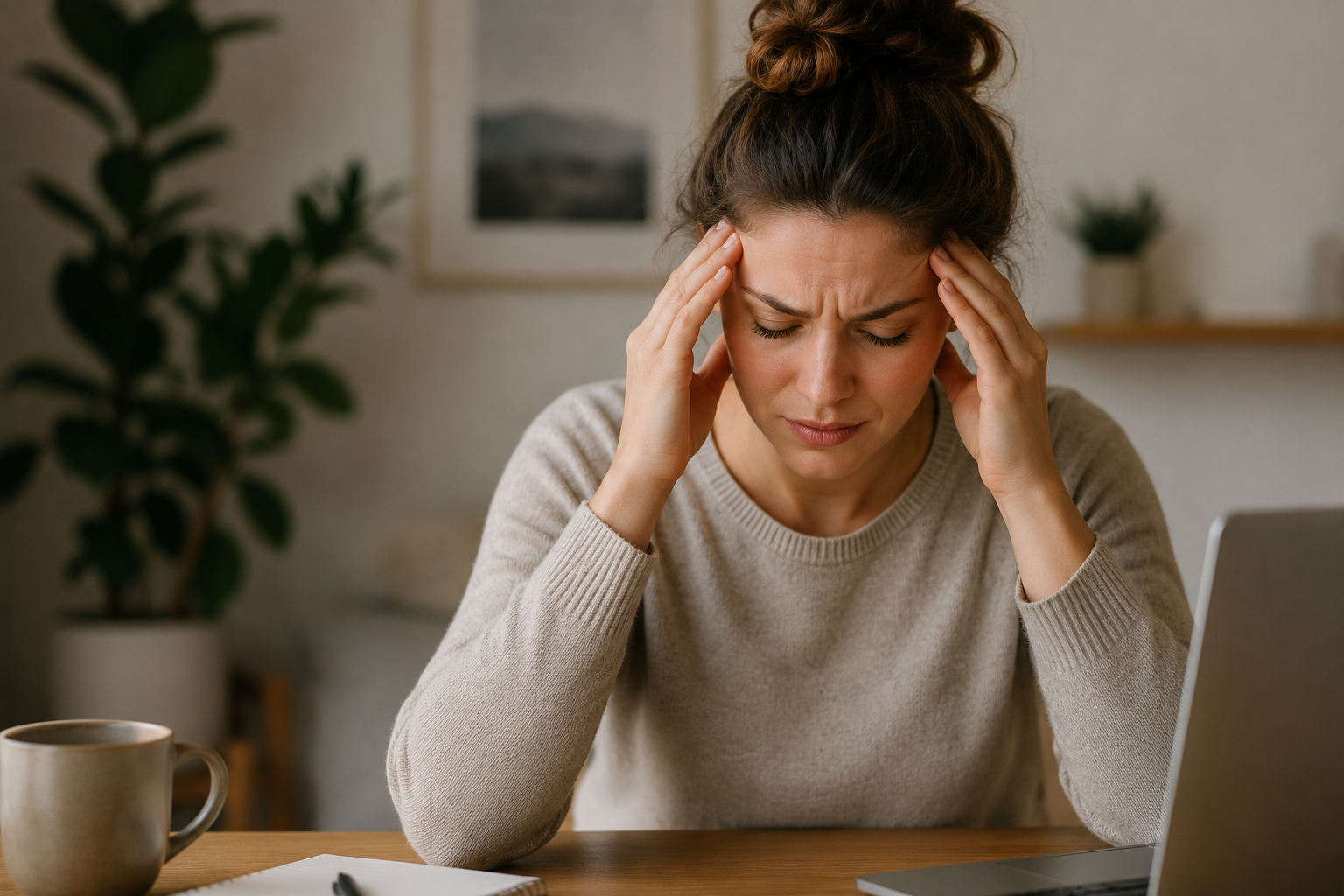
If you’ve ever noticed your lower back tightening up after sitting for a while, you’re not alone.
It’s one of the most common things people mention when they come into the clinic.
Often it sounds like:
“My back is fine in the morning, but by the afternoon it starts to ache”
or
“I feel stiff when I stand up after sitting”
It can feel confusing, especially if you’re not doing anything obviously wrong.
But there is usually a clear reason for it.
Sitting Isn’t the Problem, Staying Still Is
There’s a lot of focus on sitting being “bad”.
But sitting itself isn’t necessarily the issue.
The real problem is staying in one position for too long.
Your body is designed to move.
When you stay still for extended periods, things begin to tighten, especially around the lower back, hips, and pelvis.
Over time, this creates a feeling of stiffness or discomfort.
What Happens in the Body When You Sit
When you sit for long periods:
movement through the spine reduces
muscles around the hips tighten
the lower back can become more compressed
your body becomes less adaptable
At first, you might not notice much.
But as the day goes on, tension builds.
That’s often when the ache starts to appear.
Why It Feels Worse When You Stand Up
A common experience is feeling stiff or sore when standing after sitting.
That’s because your body has adapted to being still.
When you suddenly move again, it has to readjust quickly.
If things are already tight, that movement can feel uncomfortable.
It’s not usually a sign of damage.
It’s more a sign that your body has been under the same load for too long.
The Role of Work and Stress
For many people, sitting is part of their daily routine.
Desk work, driving, working from a laptop.
But it’s not just the physical position that matters.
Stress plays a role here as well.
When you’re focused or under pressure, you’re less likely to:
move regularly
notice tension building
change position
You may also hold more tension without realising it.
This combination can make lower back discomfort more likely.
Why It Keeps Coming Back
A typical pattern looks like this:
You feel tight after sitting
You stretch or move around
It eases
Then the next day, it happens again
This can feel repetitive.
Often, it’s because the underlying pattern hasn’t changed.
If your daily routine stays the same, your body continues to respond in the same way.
It’s Not Just About Posture
Posture often gets blamed for lower back pain.
And while it can play a role, it’s not the full picture.
You can sit in what looks like a “good” position and still feel uncomfortable.
What matters more is how your body is functioning overall.
Movement, adaptability, and how you respond to stress all play a part.
A More Helpful Way to Approach It
Instead of focusing only on sitting “perfectly”, it can be more helpful to think about:
moving regularly
breaking up long periods of sitting
helping your body stay adaptable
The goal is not perfection.
It’s giving your body variety.
How Chiropractic Care Can Help
Chiropractic care focuses on helping your body move and function more easily.
In practice, that often means:
improving movement through the spine
reducing built-up tension
helping your body respond better to daily demands
For people who sit a lot, this can help reduce stiffness and make things feel more manageable.
In the early stages, care may be a bit more regular to help things settle.
After that, it usually becomes less frequent as things stabilise.
What People Often Notice
As things improve, people often notice:
less stiffness when sitting
feeling more comfortable throughout the day
less discomfort when standing up
fewer flare-ups
feeling more mobile overall
These changes tend to build gradually.
You Don’t Have to Stop Sitting
This is important.
Most people can’t avoid sitting.
Work, life, daily routines.
The aim isn’t to remove sitting completely.
It’s to help your body handle it better.
If This Sounds Familiar
If your lower back tends to ache after sitting, especially during busy workdays, it might be worth looking at it a bit differently.
Not just adjusting your position, but helping your body stay more adaptable and less prone to tightening up.
👉 If you’re based in Clifton or Bristol and this sounds familiar, you can book a consultation at Clifton Chiro to get started.
Take the Next Step
👉 Book an appointment today
